Writing for Different Stage Formats: From Intimate Venues to Large Theatres
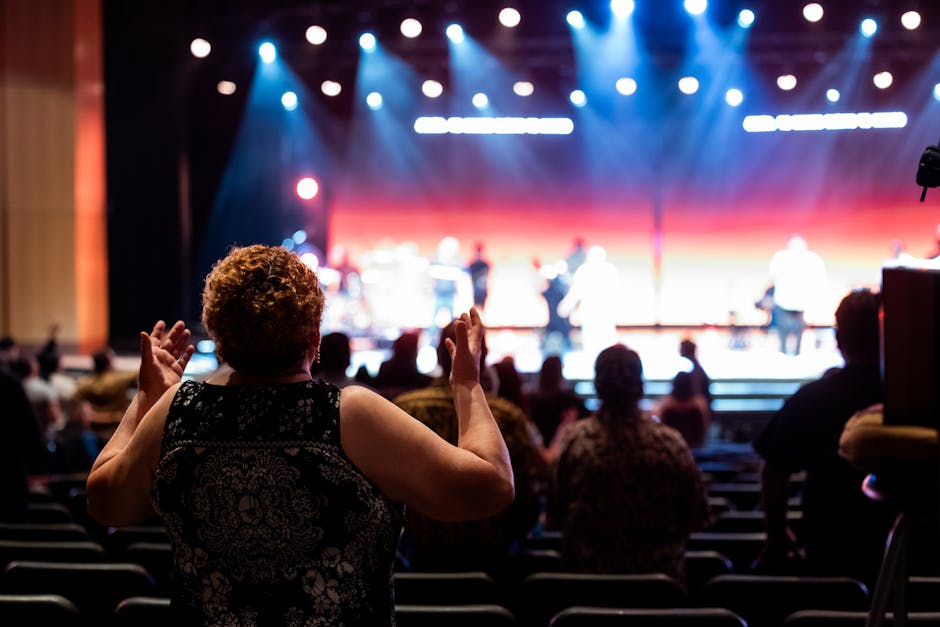
A play that works brilliantly in an intimate 50-seat black box might feel lost in a 500-seat proscenium theatre. Conversely, a sprawling epic designed for a large stage can feel overwhelming in a tiny room. Understanding how to write for different theatrical spaces is crucial for playwrights.
Intimate Venues: Proximity and Vulnerability
In small spaces, audiences sit close to performers. Subtle facial expressions and quiet moments carry enormous power. Dialogue can be understated because audiences hear every word clearly. Internal conflict and emotional nuance become central. These venues suit character-driven plays with minimal technical demands. You can use direct address to the audience—they're right there with you. Intimate spaces reward vulnerability and honesty. Write for proximity, not projection.
Mid-Sized Theatres: Balance and Clarity
Most regional theatres hold 200-400 people. These spaces offer flexibility. You can tell complex stories with multiple characters and locations. Dialogue needs clarity but not excessive volume. Physical comedy and visual storytelling work well. You have room for scenery and technical effects, but don't need them. These venues suit most contemporary plays. Write with clarity and emotional specificity, trusting that theatrical technique will amplify your work.
Large Proscenium Theatres: Spectacle and Projection
In 500+ seat theatres with traditional stages, you're competing with distance. Facial expressions disappear; physical gestures become language. Dialogue must project without feeling shouted. Spectacle becomes an asset—large-scale scenes, multiple locations, and visual effects enhance rather than distract. These spaces suit epic stories, musicals, and plays with grand themes. Write boldly. Subtlety gets lost; clarity and emotional power matter most.
Thrust and Traverse Stages
These non-traditional configurations surround audiences partially or completely. There's no "front" of the stage. Action must be choreographed carefully so all audience members see important moments. Intimacy and scale mix unexpectedly. These stages suit plays that embrace their theatrical nature—where actors acknowledge multiple audience perspectives. Write with spatial awareness.
Outdoor Spaces
Weather, ambient noise, and natural light create unique challenges. Dialogue must be clear and projected. Scenes need visual interest since audiences might be distracted. Simple, bold storytelling works best. These spaces suit comedies, classical plays, and stories that celebrate theatre's public nature.
Know Your Venue Before Writing
Ideally, write with a specific venue in mind. If that's impossible, make deliberate choices about scale. A play designed for intimacy will feel different in a large theatre, but it can still work if you understand the adjustment. Conversely, an epic play can be adapted for smaller spaces through creative staging.
Great playwrights understand that form and space shape meaning. Write consciously for your intended venue, and your play will have maximum impact.